Marquette Historic District Architecture
The Marquette Historic District is significant for architecture, because it contains a number of outstanding examples of late nineteenth and early twentieth century architectural styles. The district is also significant because, as a whole, the district still retains most of its historic architectural appearance. The houses in the district are well preserved and most have a high level of architectural integrity, making the district stand out among the rest of Kewaunee's built environment.
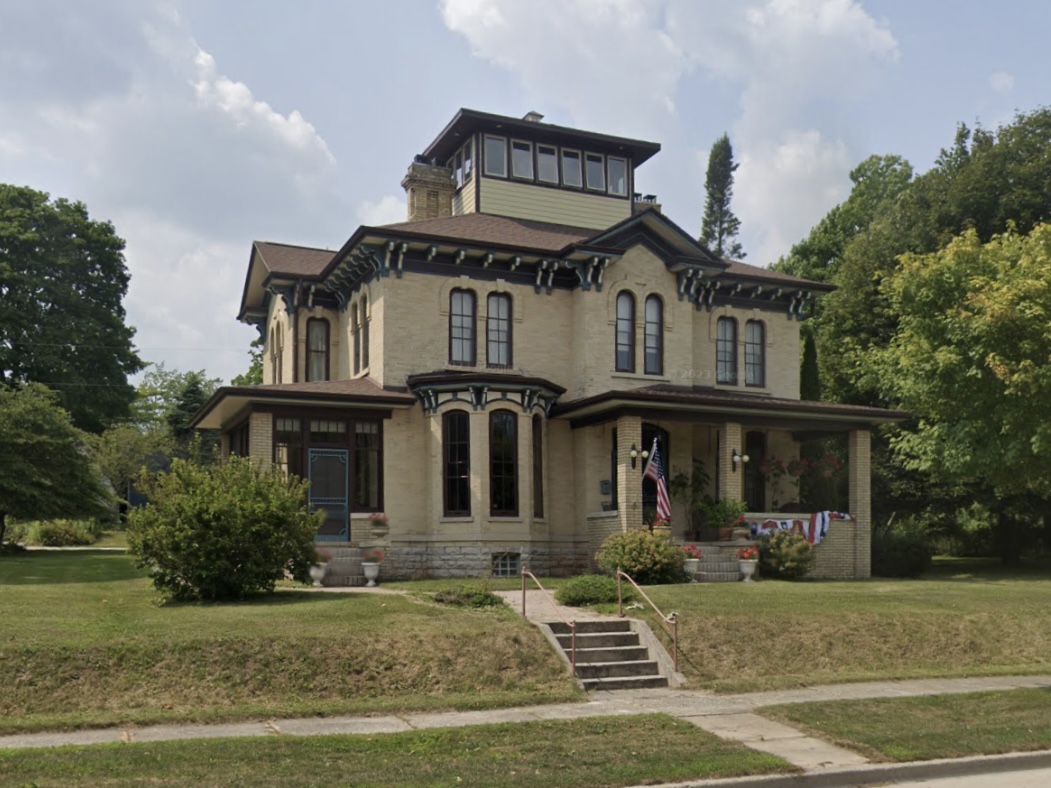
Because this neighborhood did not really begin developing until the 1880s, there are few houses with architectural styles from the mid-nineteenth century. There is only one Italianate house in the district, but it is a fine late Italianate mansion. The Italianate style was very popular in Wisconsin between 1850 and 1880, although Italianate houses were still built in the early 1880s. Early Italianate houses are generally square with low-pitched hipped roofs, wide eaves with brackets, tall windows with round arches or label moldings, and often a cupola. Later Italianate houses are often more rectangular than square; are taller with gable as well as hipped roofs; and have more classical than picturesqued etails.
The Duvall house (815 Milwaukee St.), built in 1881, is a fine and typical example of a large late Italianate house. While it has a basic square form and hipped roof, the projecting gables of the house give it a vertical emphasis that is typical of late Italianate houses. The other details of the house such as the round and segmental-arched openings, the wide overhanging eaves with brackets, and the bays are all typical of Italianate houses. The modillions under the eaves are classical details often seen in late Italianate houses. All of the details of this house are expertly done and are well-preserved.
The modern front porch and sunroom only slightly detract from the high level of integrity of the house. Sitting on a large lot in the district, the Duvall house is a fine Italianate mansion built at the end of the Italianate era in the state.
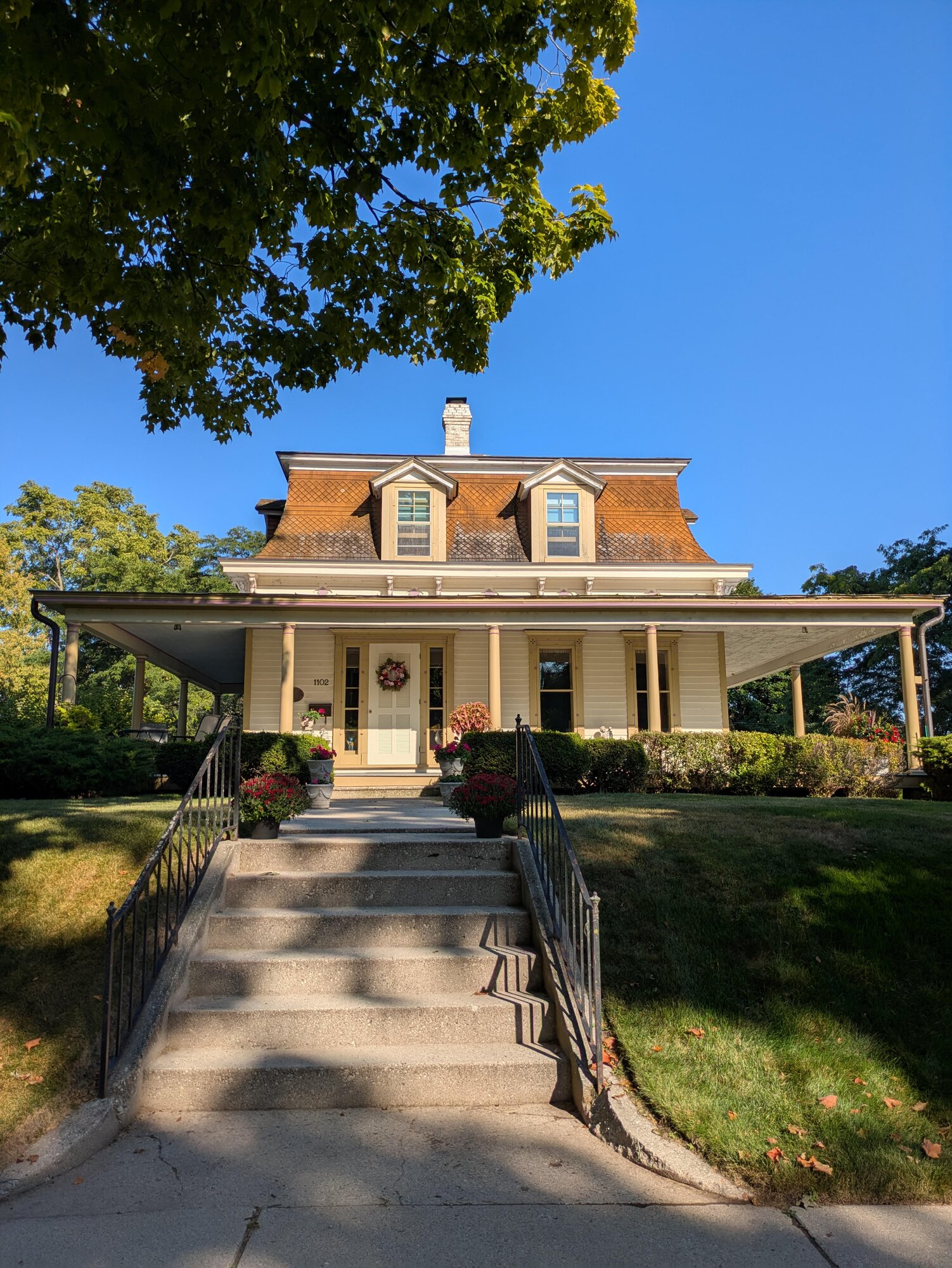
The other house with a style that was popular in the mid to late nineteenth century is the Second Empire Louis and Amelia Bruemmer house (1102 Dodge St.), built in 1885. The Second Empire style was seen in Wisconsin between 1870 and 1880, although some Second Empire houses in Wisconsin were built in the 1880s. Second Empire buildings feature mansard roofs, often with projecting dormers, and elaborate details that are of ten similar to details of the Italianate style.
Although not an elaborate example of the Second Empire style, the Bruemmer house has the trademark mansard roof and dormers. The roof that is shingled in a criss-cross pattern is an outstanding detail often used on Second Empire houses, but is not often extant. The simple frieze and brackets reflect typical details of the style, as well. This house is also well-preserved and adds to the architectural significance of the district.
There are a number of fine and outstanding Queen Anne houses in this district. The Queen Anne style was popular in Wisconsin between 1880 and 1910 and is seen in the state in large numbers. The style is characterized by asymmetry and irregularity of plan and massing, and a variety of surface materials. Other common details of the style include steeply pitched multiple roof peaks, gable projections, bays with elaborate hoods, round or polygonal turrets, classical details, and a large, wrap-around veranda. Windows are irregular in size and placement. Later Queen Anne houses are often less picturesque and more symmetrical than their earlier counterparts, and have more classical details.
The most outstanding Queen Anne house in the district is the Grimmer house (821 Dodge St.), built in 1883. While the house has a compact massing, the irregularity of the style is seen in the multi-gable and hipped roofline, the projecting gable sections, the second and third story bay on the north wall, the irregular windows, and the overall asymmetrical plan of the house. An unusual detail is the application of stickwork that suggests the Stick Style. And, instead of a veranda, this house has a two-story porch covering the front entrance. All of the details of the house are well-preserved and show fine craftsmanship.
In this district, many of the houses with popular architectural styles were built at the end of or after the period when they were most popular in Wisconsin. The Grimmer house is an exception, being a full fledged Queen Anne house built at the beginning of the styled popularity in the state. This early appearance can be contributed to its architect, Henry C. Koch of Milwaukee, one of the most prominent and prolific of Wisconsin's nineteenth century architects.
Koch came to Milwaukee from Germany in 1842. He studied architecture with G. W. Mygatt in Milwaukee until 1862, when he enlisted for service in the Civil War. In 1866, he returned to Milwaukee to become a partner with Mygatt and remained in this firm until 1870, when Mygatt died. During the next 40 years, Koch practiced alone and in several partnerships, his last being with his son, Armand. Koch was a noted designer of public buildings in the midwest and designed many houses in the popular styles of the late nineteenth and early twentieth century. His public buildings included churches, courthouses, city halls, hotels, and commercial buildings. He is most noted for designing Milwaukee's City Hall, Pfister Hotel, Wells Building, and Turner Hall.
.jpg)
In the Grimmer house, Koch, who designed many Italianate houses, proved that he and his firm were adept at designing in the latest residential style, the Queen Anne. The house is not a transitional design and features all the picturesque and irregular details typical of Queen Anne houses. This well-proportioned house is both exuberant and elegant, perfect for the George Grimmer family.
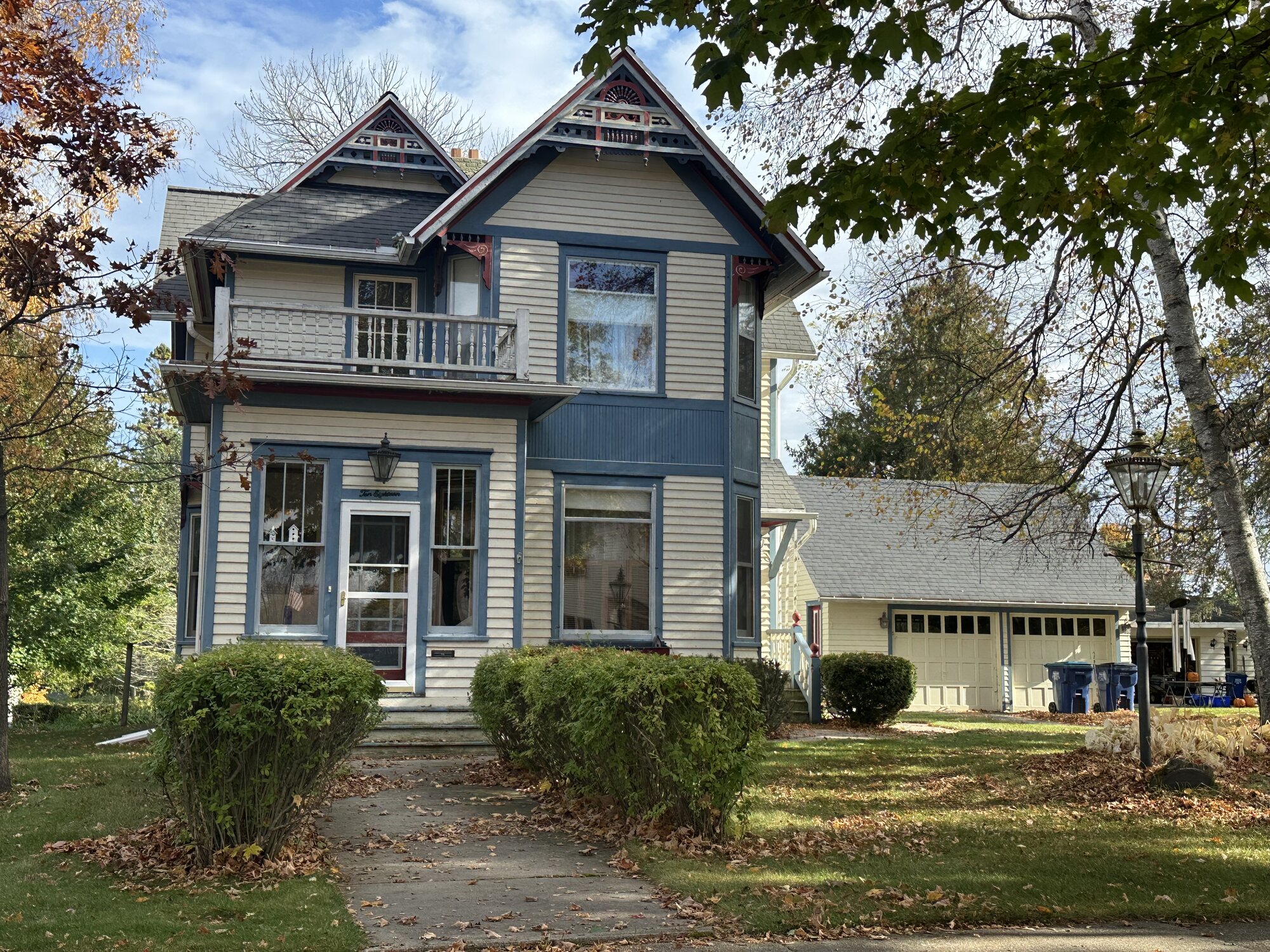
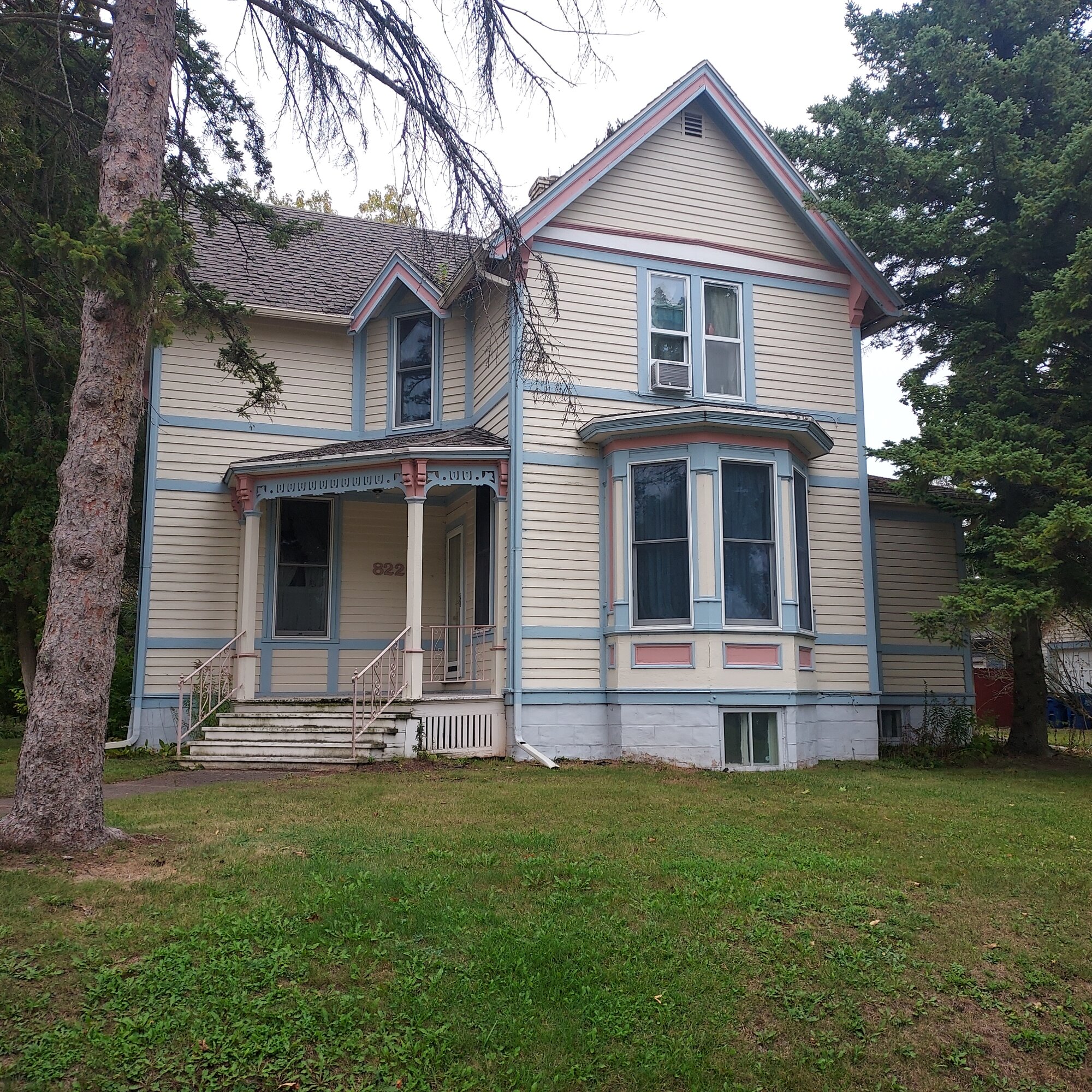
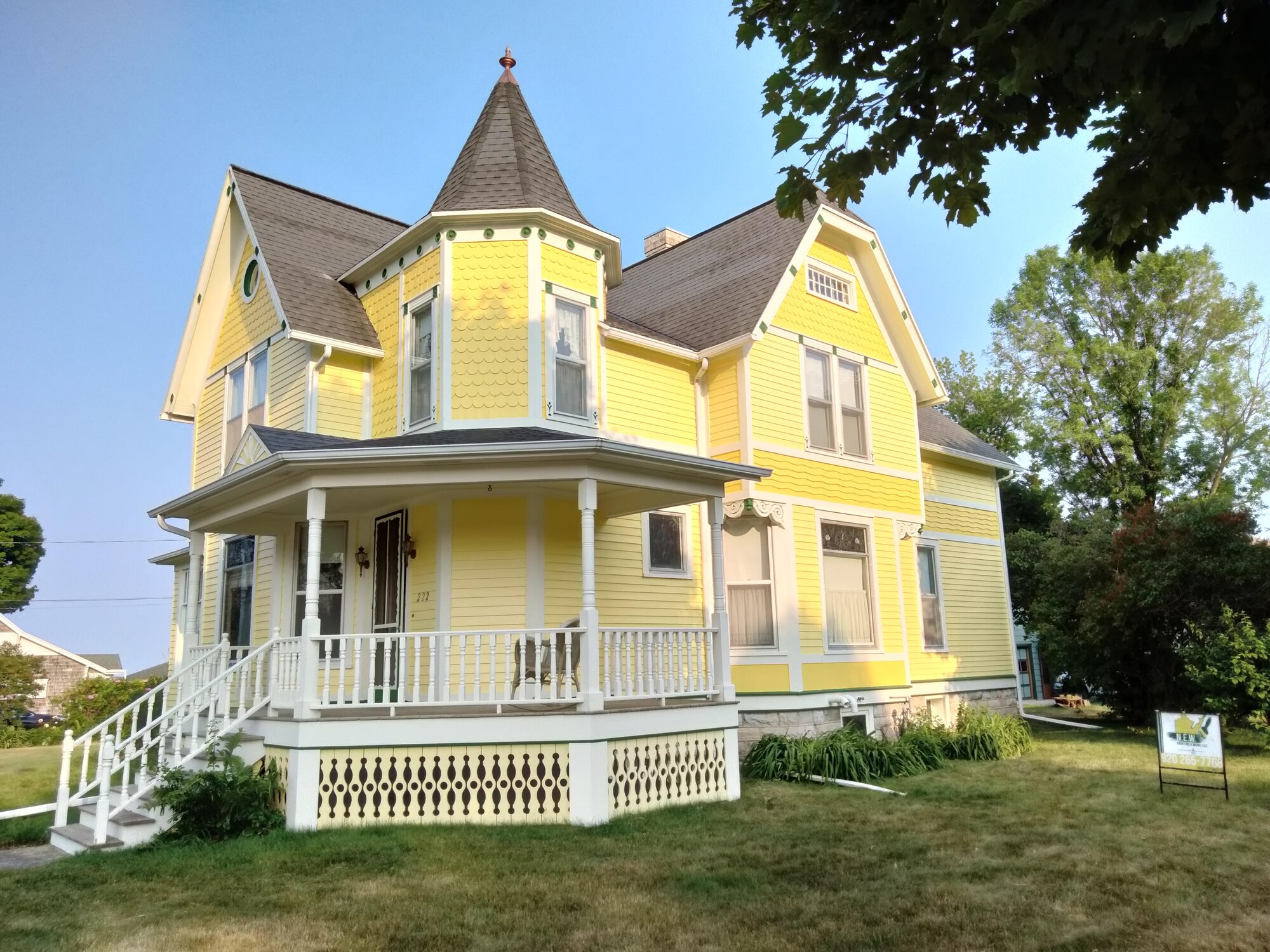
A much smaller house, but with some similar details, is the Queen Anne style McMahon house (822 Dodge St.), built across the street, in 1888. It, too, features the irregular form and massing of the style along with the use of stickwork seen on the Grimmer house. The John and Catherine Wattawa house (222 Dorelle St.), built in 1894, makes good use of wood shingles and decorative woodwork to give the house the variety of surface textures typical of the style. The corner tower is a detail often seen on Queen Anne houses, but in this design, it is placed on the house in an unusual manner. Overall, it is a fine example of the style at its height of popularity. Also built in 1894, is the Theo and Harriett Borgman house (1018 Dodge St.). It is more compact than the Wattawa house, expressing the irregularity of the style in its complex roofline, gable projections, and angled corners. The house also has some fine picturesque gable braces.
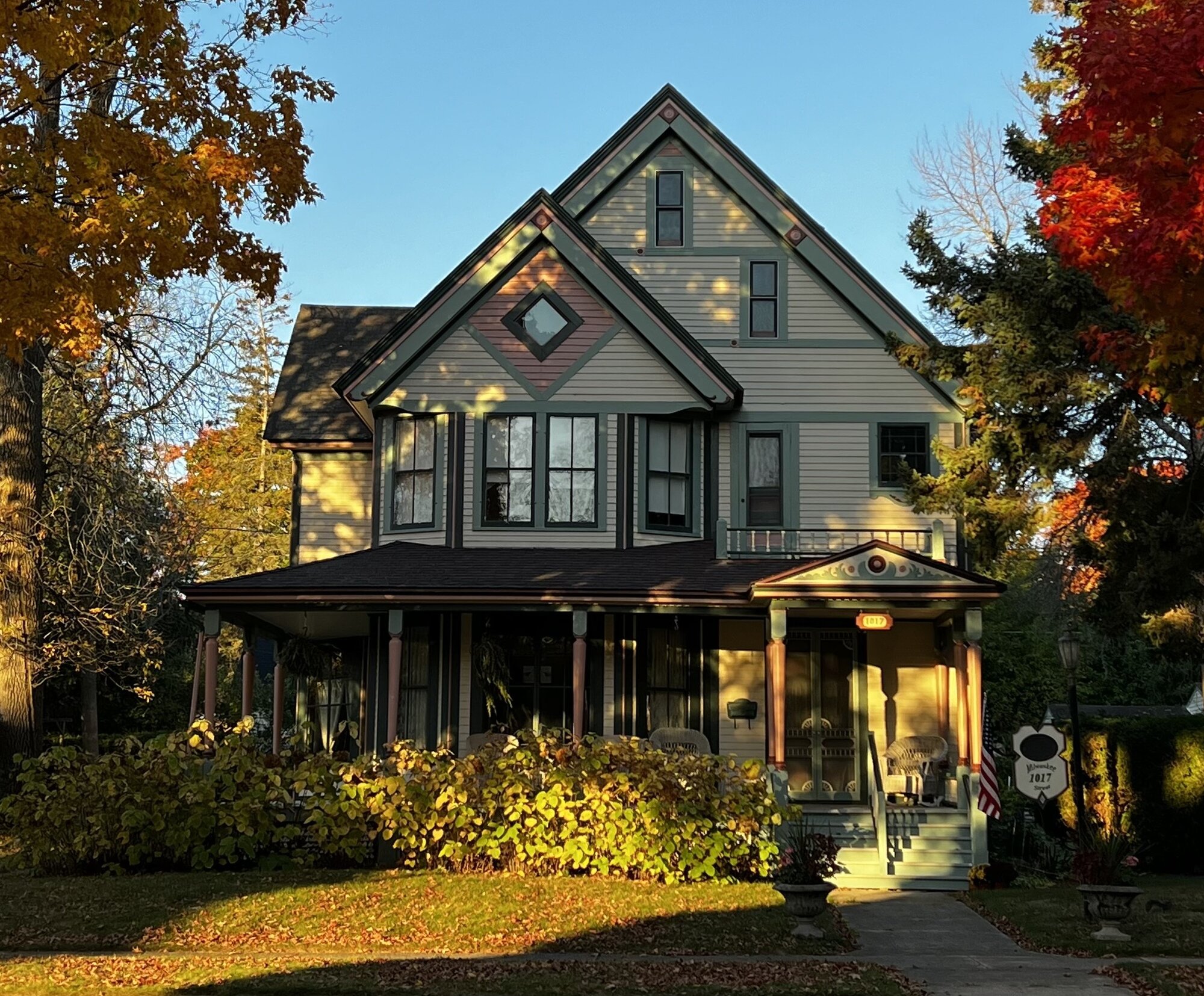
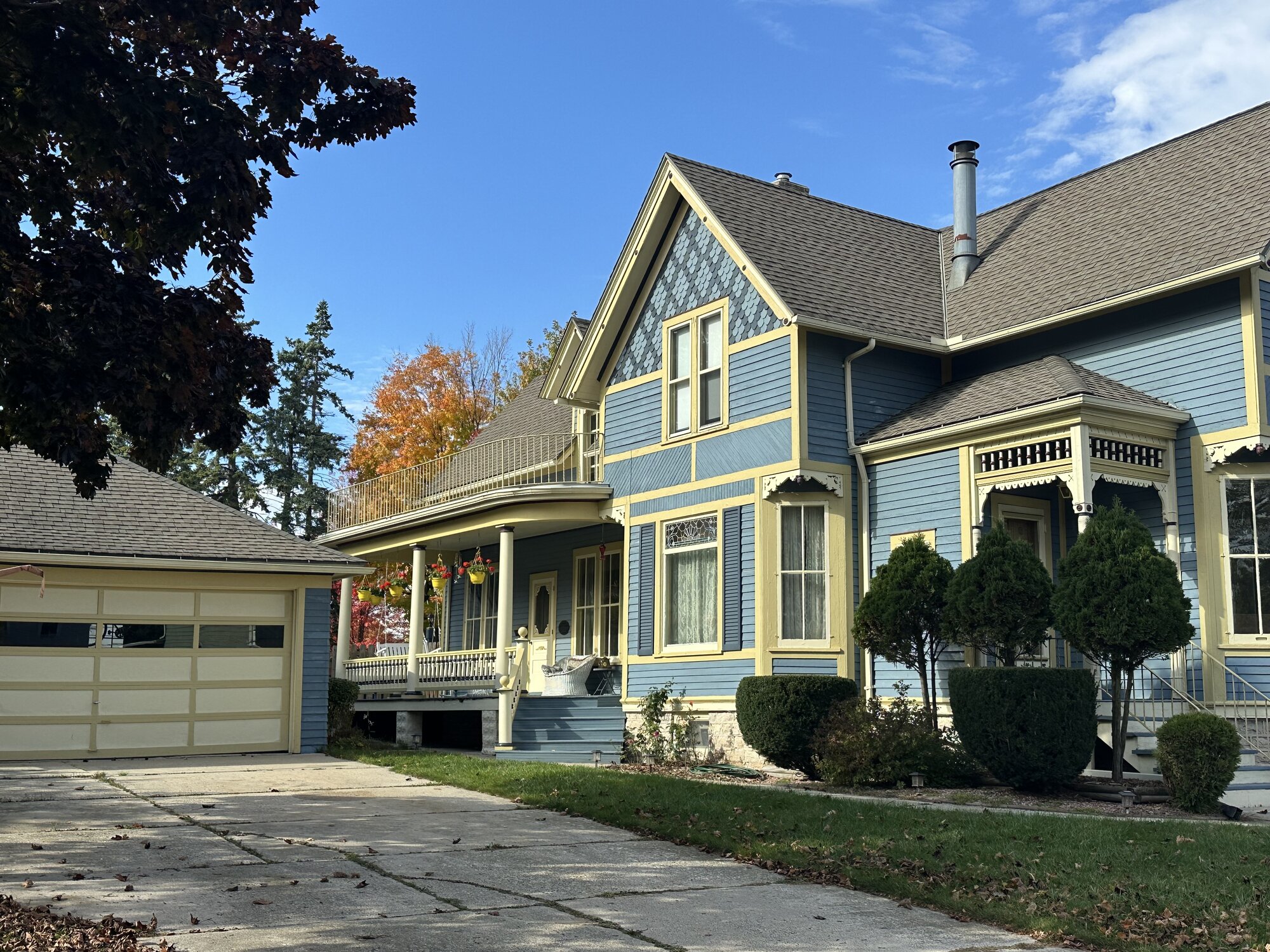
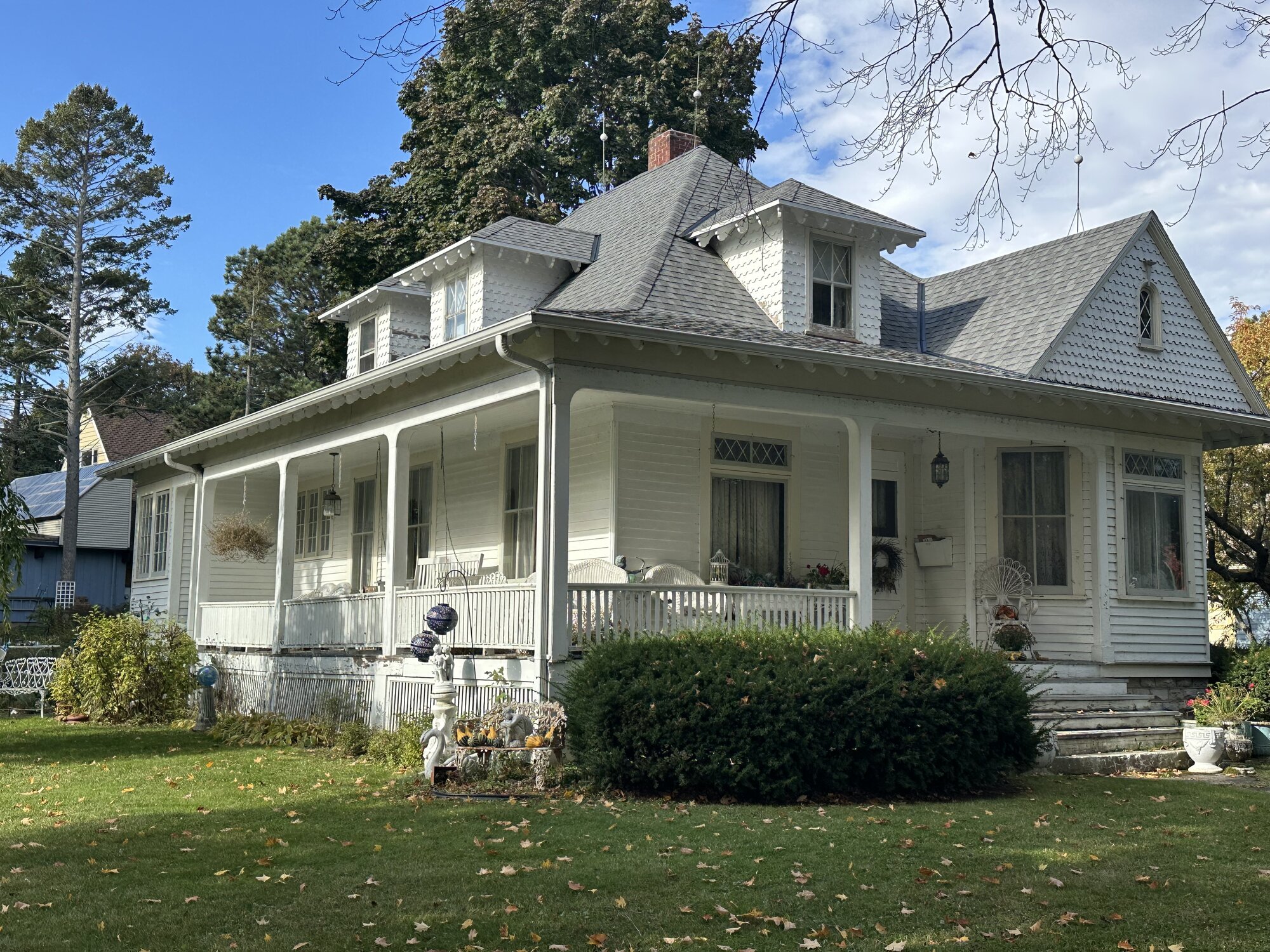
The George and Maud Duvall house (1017 Milwaukee St.), built in 1900, is a typical Queen Anne house, although there is less picturesque detail, reflecting its later construction date. The house has an extant wrap-around veranda that illustrates this popular feature of the style. The Wenzel Kieweg house (1203 Dodge St.), built in 1894, has many of the typical details of the style including wood shingles, stickwork, and fancy porches. But, next door, the Anton and Harriett Kieweg house (1213 Dodge St.) is much different. Built in 1902, it too has the complex roofline, scalloped shingles, and veranda that are typical of the style, yet its diminutive size makes the house a less typical Queen Anne design. It may be that the builder was creating a small "Victorian" cottage, or may have been influenced by the emerging bungalow style coming out of the west coast. In any event, this house is a distinctive variation of the style in the district.
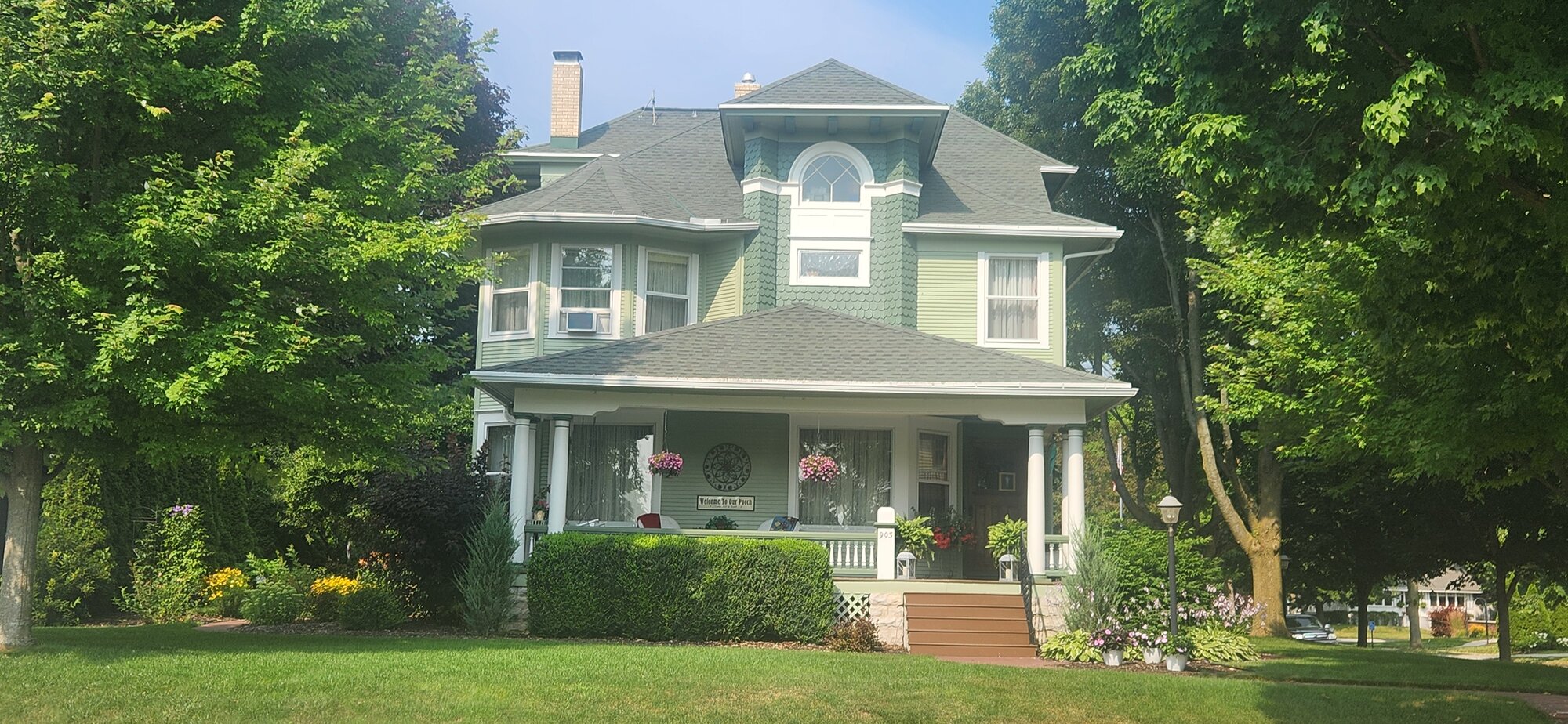
The John and Augusta Dishmaker house (903 Dodge St.), built around 1900, is a transitional design between the Queen Anne style and the early twentieth century styles that some architects were experimenting with at this time. The Dishmaker house has a square form with bays and a hipped roof that suggest the Queen Anne style. But the wide overhanging eaves and the unusual dormers of this house have an appearance that suggests the Craftsman style. The front porch would be at home on a Queen Anne, Colonial Revival, or American Foursquare house. This eclectic design of the Dishmaker house makes it stand out, and it serves as a transition between the nineteenth and twentieth century in the district.
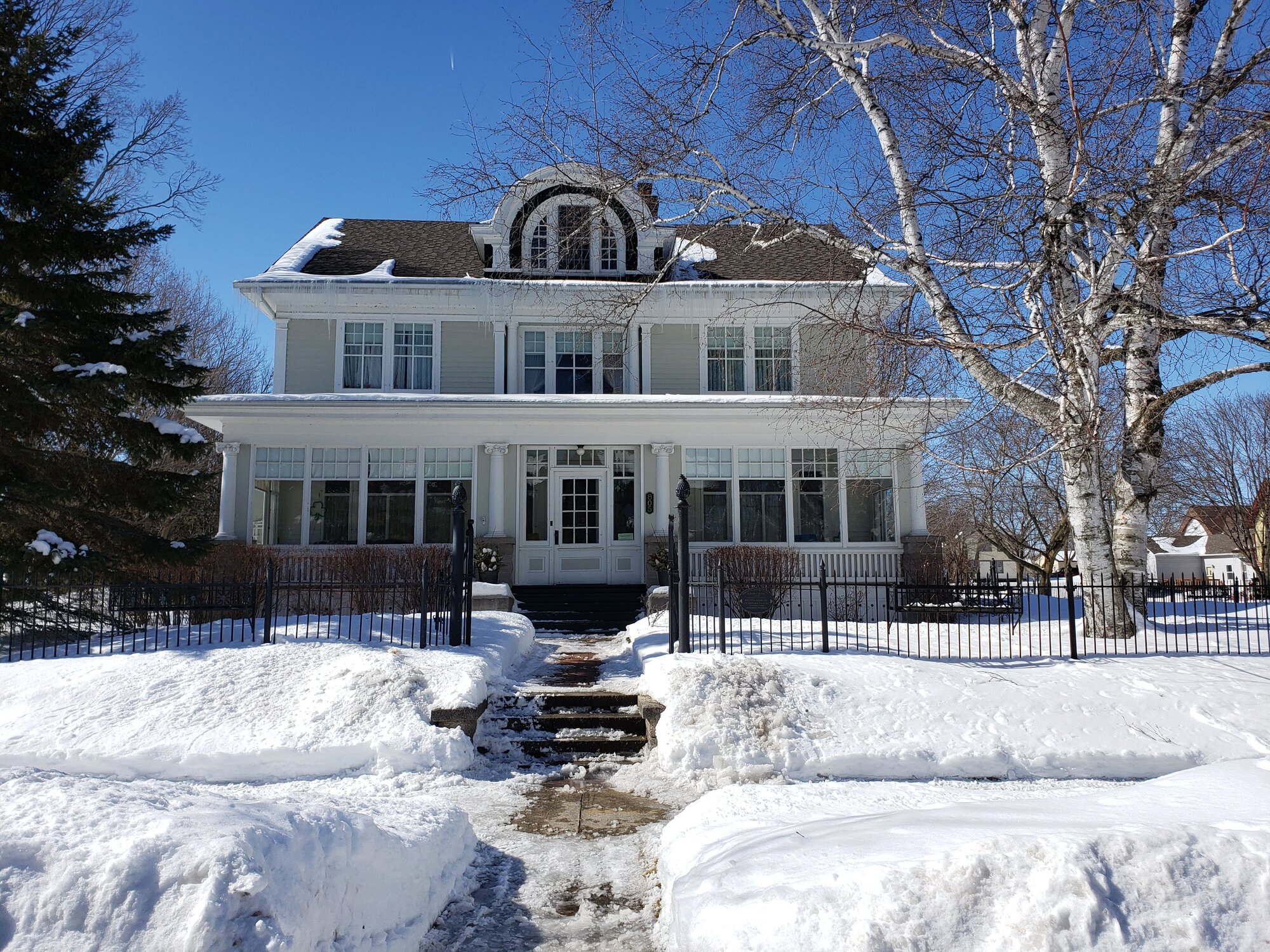
Also unusual is the early Colonial Revival style John and Marie Borgman house (805 Dodge St.), built in 1909. The round-arched dormer is a detail sometimes seen on Prairie style houses. A peek at the interior of the first story of this house reveals some fine Craftsman features.
There are several American Foursquare houses in this district that also strongly suggest the Prairie style. The American Foursquare style or form is a commonly seen house in Wisconsin. Its main features include a square form, two stories, a hip roof, and a front porch. Many American Foursquare houses have details that suggest the Colonial Revival or Prairie styles popular during the time they were built. The hallmark of the Prairie style was horizontality, and Prairie style houses emphasize long, low hipped or gable rooflines, window bands in horizontal ribbons, and definite belt courses between stories. Wood, brick and stucco were all used for Prairie houses, and often stylized, abstract and angular patterns can be found in leaded glass windows, interior designs and furnishings.
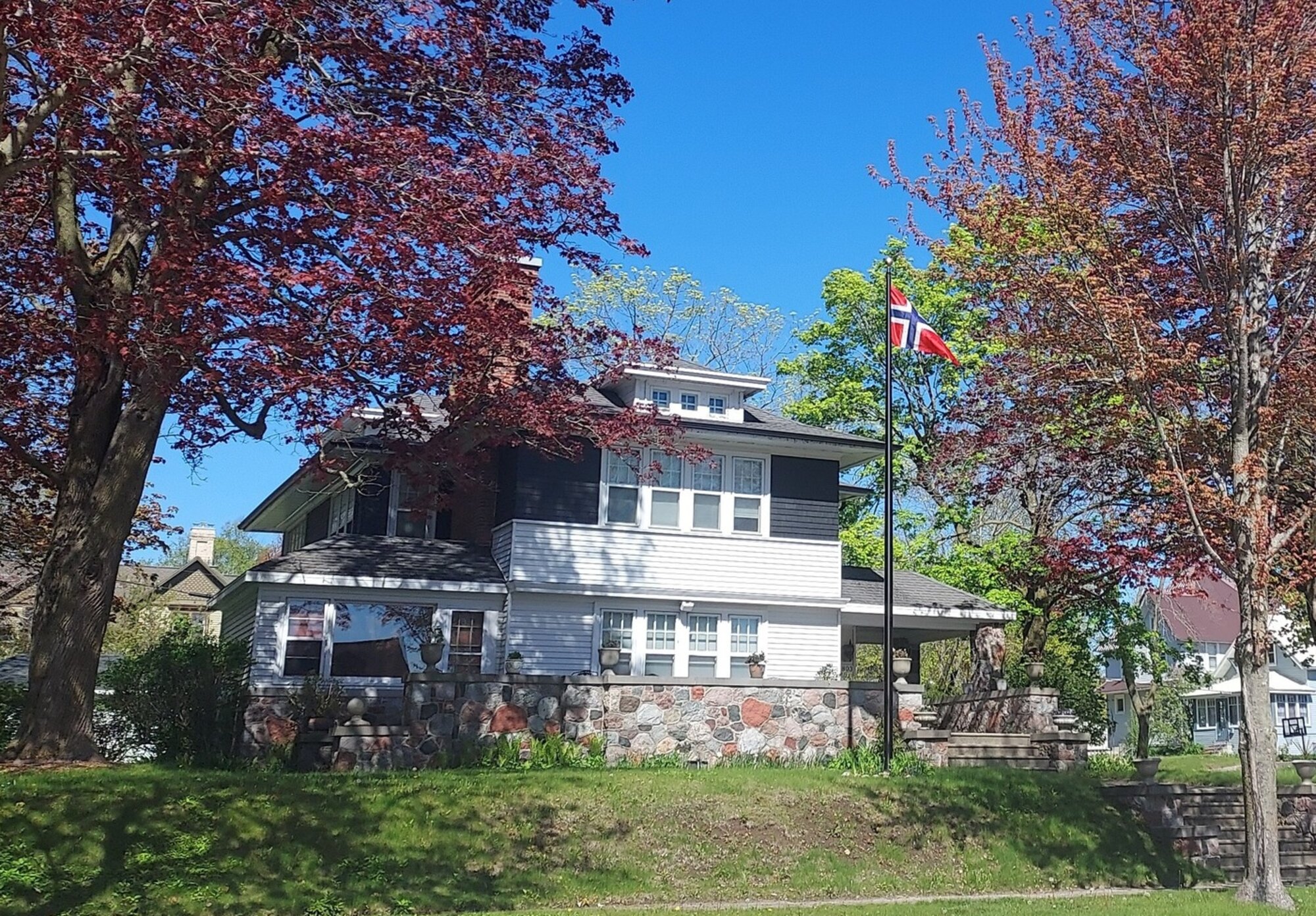
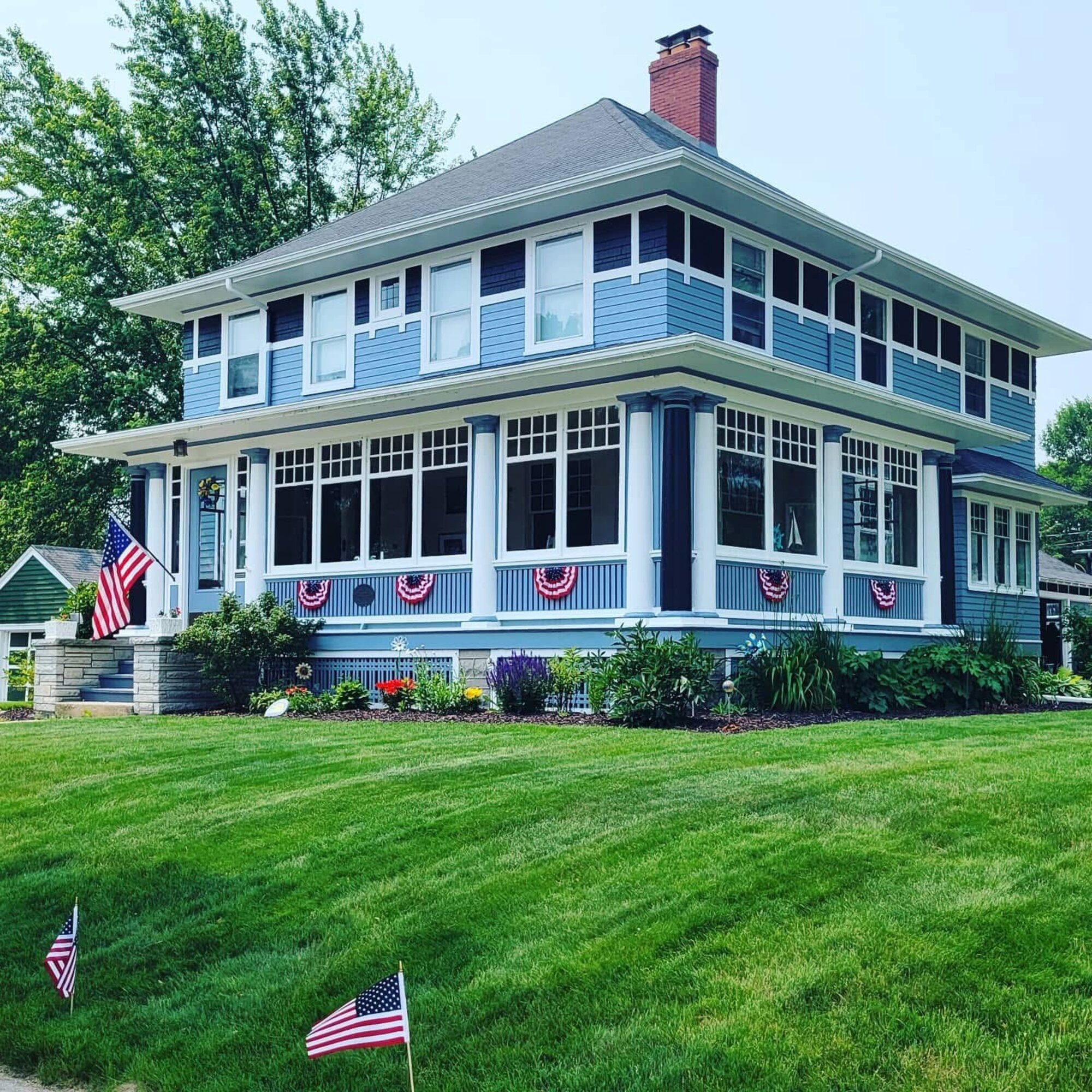
The Otto and Margurite Bruemmer house (803 Milwaukee St.), built in 1914, has a horizontal form and massing that suggests the Prairie style. It also has grouped windows sitting in a band of wood shingles on the second floor that suggest the window bands in horizontal ribbons that reflect the Prairie style. There are similar details on the Norman and Carrie Leyse house (1003 Milwaukee St.), also built in 1914. The band of wood shingles interrupted with vertical boards, and the regularly placed upper lights of the second floor windows also suggest window bands in horizontal ribbons. The Leyse house also has the horizontal massing and the wide overhanging eaves of the Prairie style. Both the Bruemmer house and the Leyse house are fine and well-preserved buildings that suggest a style that was popular at the time when they were built.
(1).jpg)
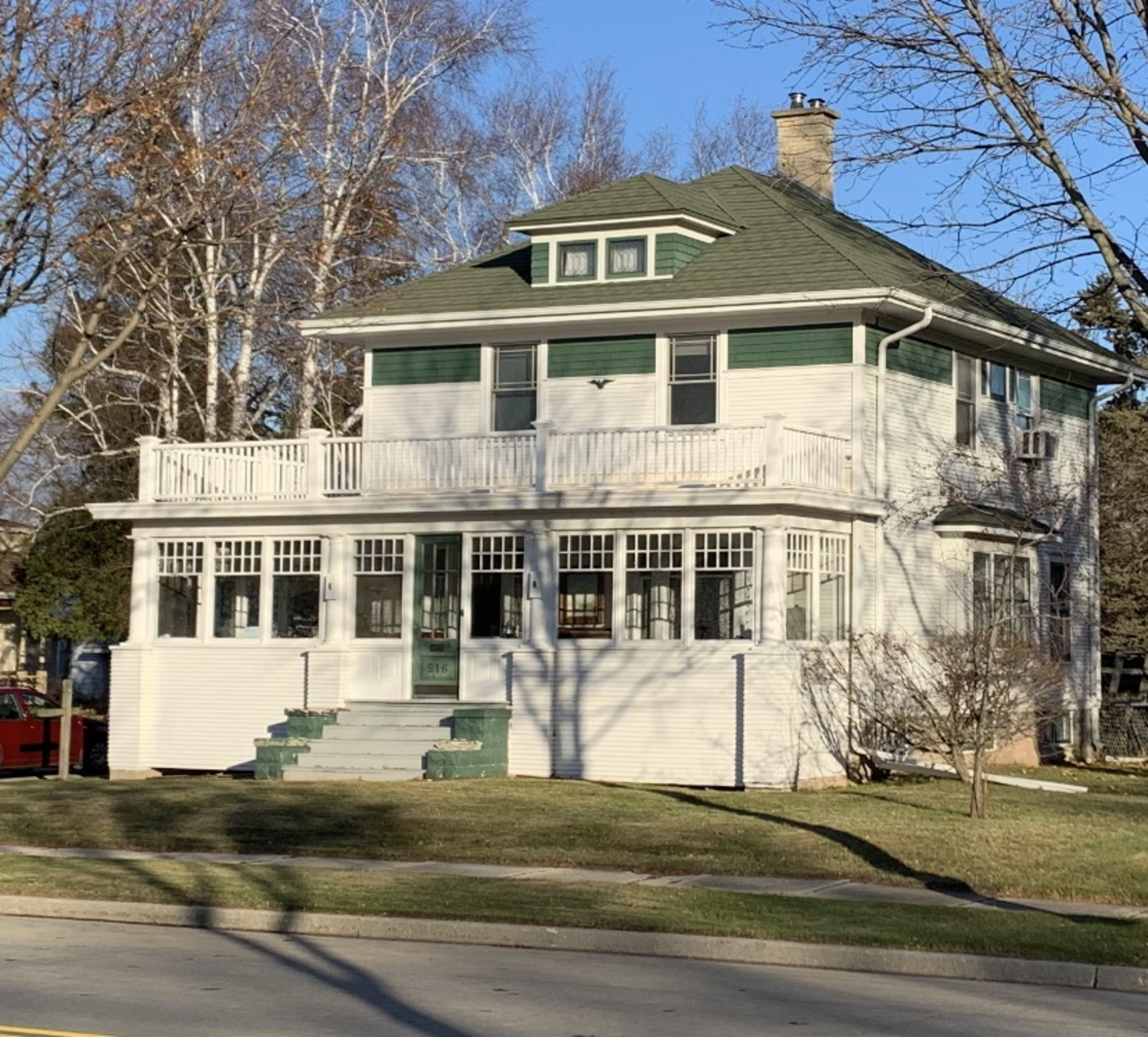
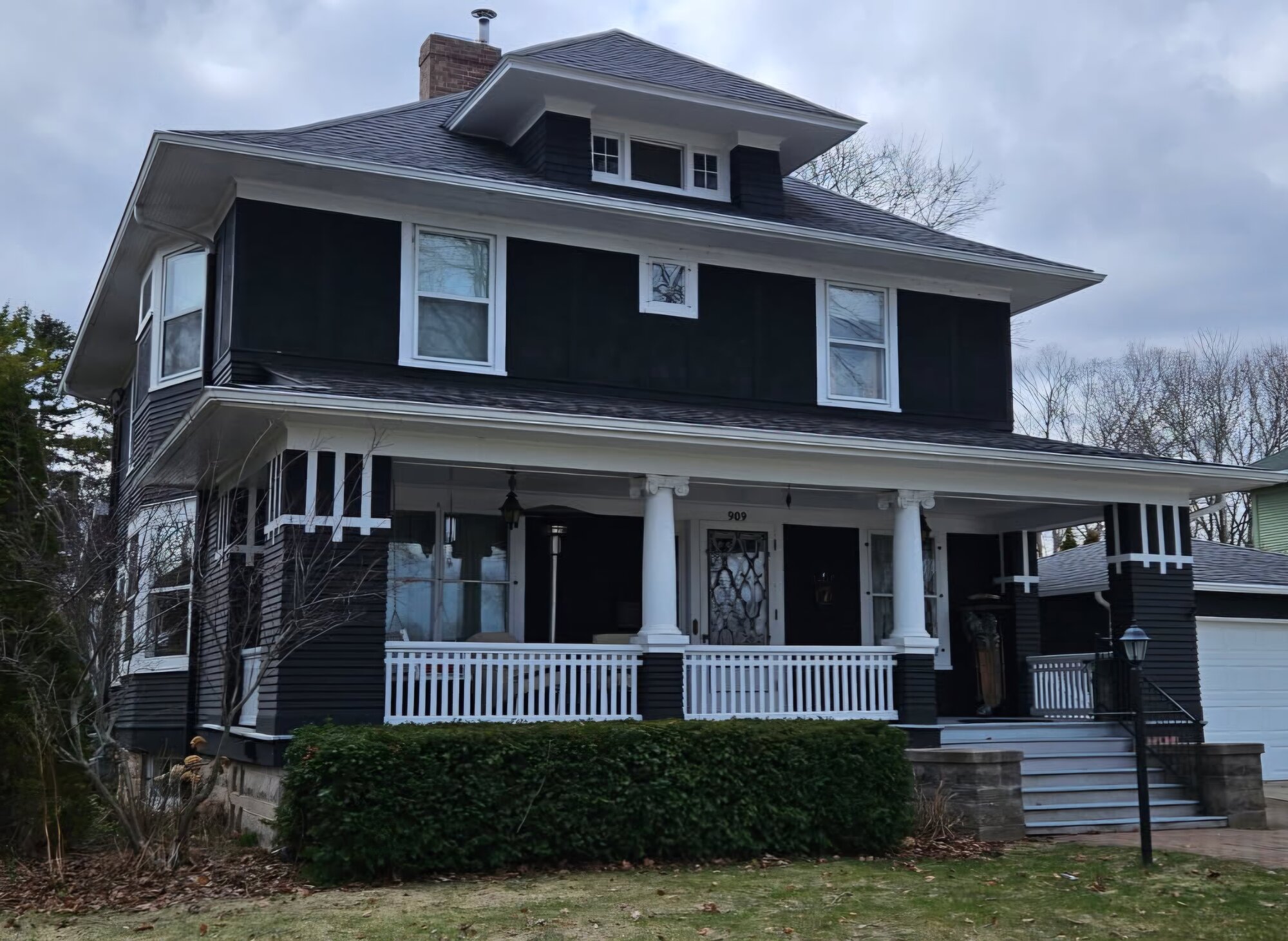
Three other American Foursquare houses in this district have the horizontal lines and details that also suggest the Prairie style. The Janda house (909 Dodge St.), has the wide, overhanging eaves and horizontal lines from the Prairie style, while the Wochos house (414 Dorelle St.) and the Metzner house (916 Milwaukee St.) have the upper band of shingles and regularly placed openings that suggest window bands.
A search for the names of architects who designed the Prairie style-influenced American Foursquare houses in the district was unsuccessful. The similarities in the design of these buildings are significant and it is hoped that information will surface regarding the architects or builders of these houses.
The Period Revival style attained popularity just after the Prairie and American Foursquare styles. Period Revival buildings feature historical forms and details that are executed with modern materials on new houses. Colonial Revival houses feature symmetrical form and massing with classical columns, pilasters, returned eaves, and regular fenestration. Georgian Revival houses are usually more formal, with similar details, but with an emphasis on a formal entrance or entry pavilion. More classical details are usually seen on Georgian Revival houses. Tudor Revival houses usually feature brick walls and/or a stucco exterior with applied wood in a faux half-timber effect. Other details include decorative chimneys, multi-gabled rooflines, and groups of casement windows with many mullions. Some smaller Tudor Revival houses with wood shingle exteriors and a simulated thatched roof are sometimes called Cotswold Cottages.
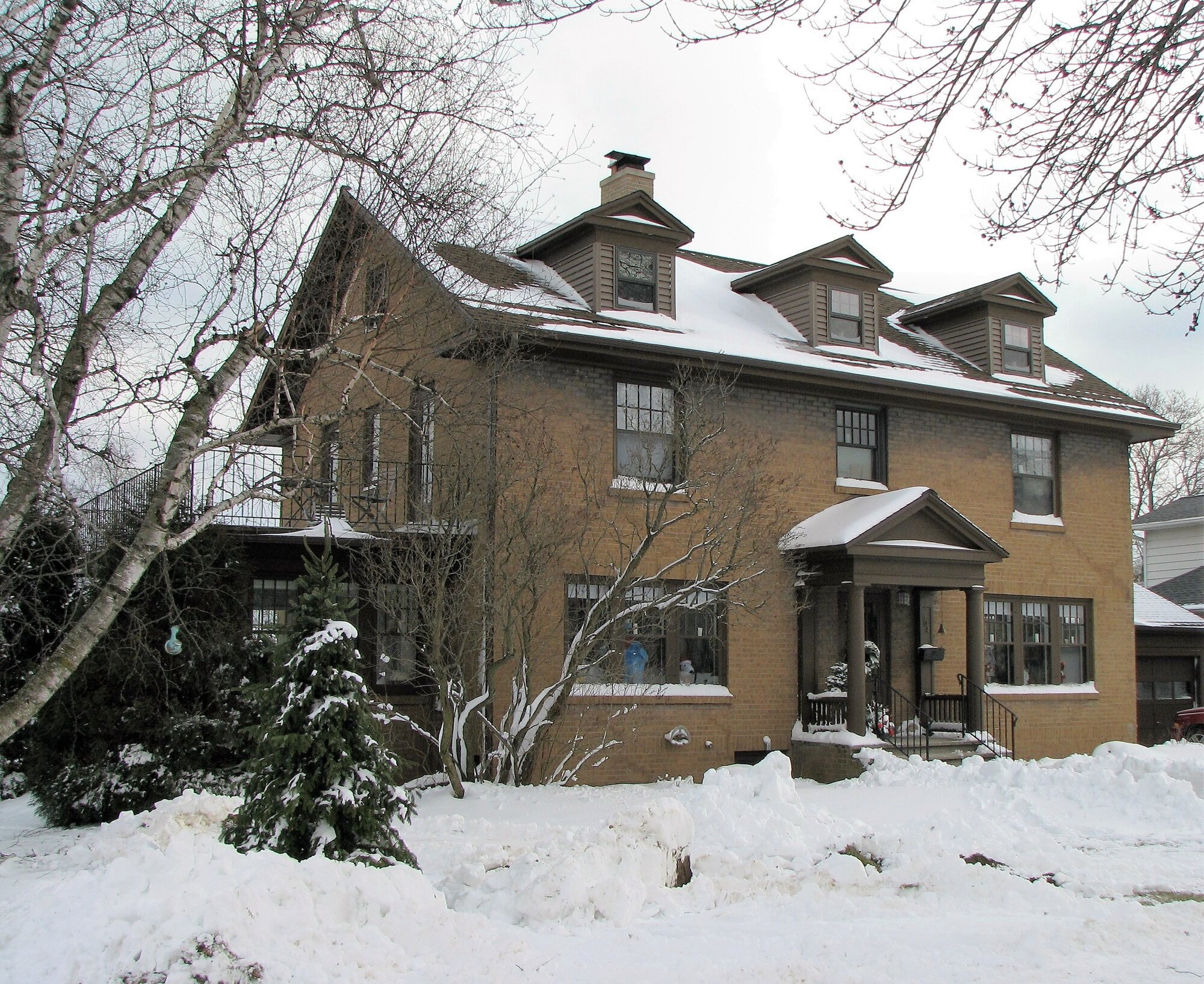
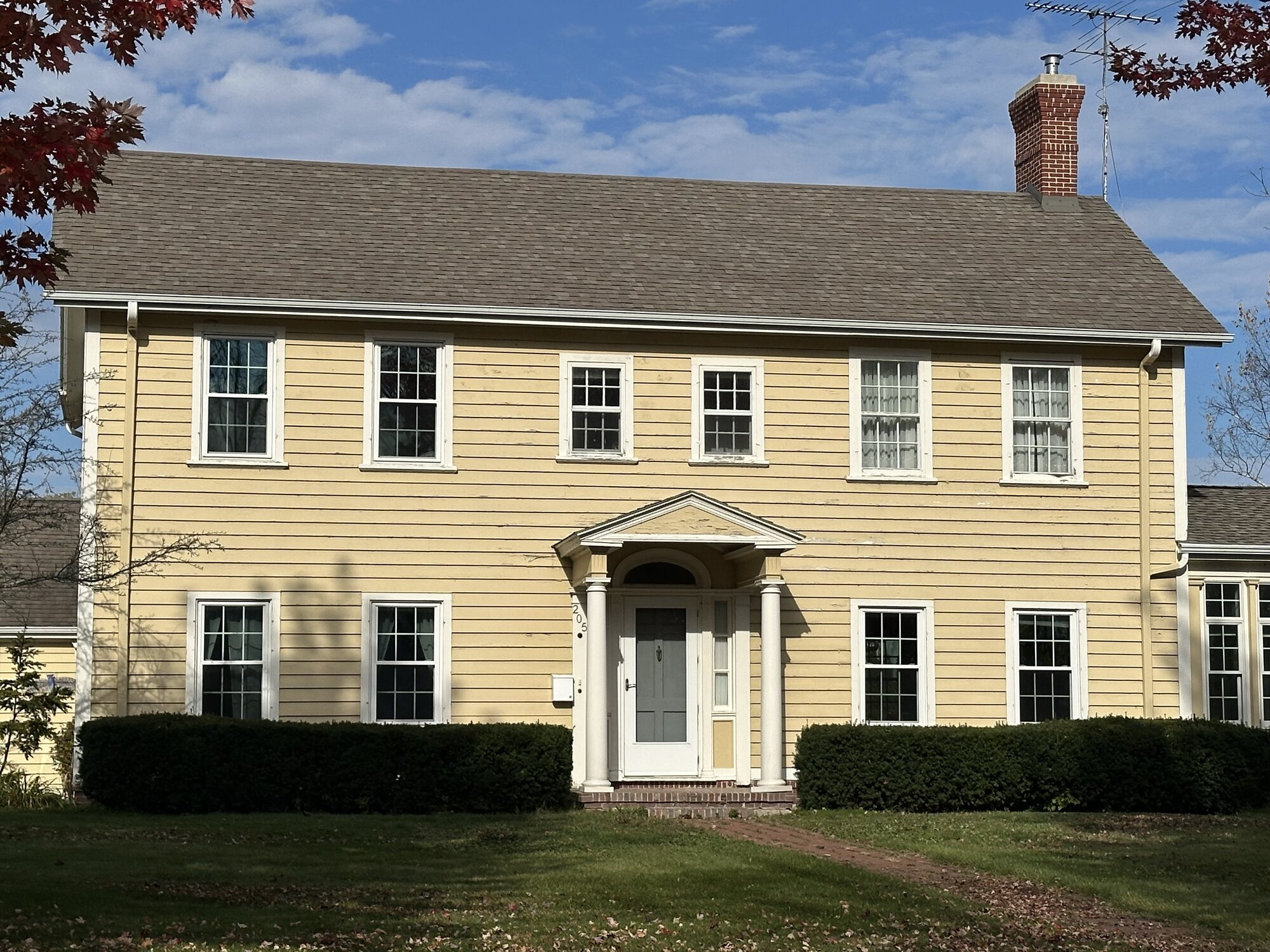
The simple Colonial Revival Anton Dishmaker and Dana Dishmaker houses (804 Milwaukee St., 205 Rose St.), built in 1927 and 1919 respectively, have formal, symmetrical lines and regular fenestration with simple classically-influenced entrances. In that way, they are typical of the style. The large Dana Dishmaker house, with its very plain details, is unusual for its simplicity and elegance.
The C. G. Campbell house (1104 Milwaukee St.), built in 1928-29, is a fine example of the Georgian Revival style. The red brick exterior, regular fenestration, and other classical details suggest the formal nature of the style. The house has no entry pavilion, but the classically-decorated entrance is set off by a fine semi-circular portico and a second story window group, giving it the importance the style demands. This house is well-proportioned and its details are expertly executed, and give this well-preserved house the formal beauty of the Georgian Revival style.
.jpg)
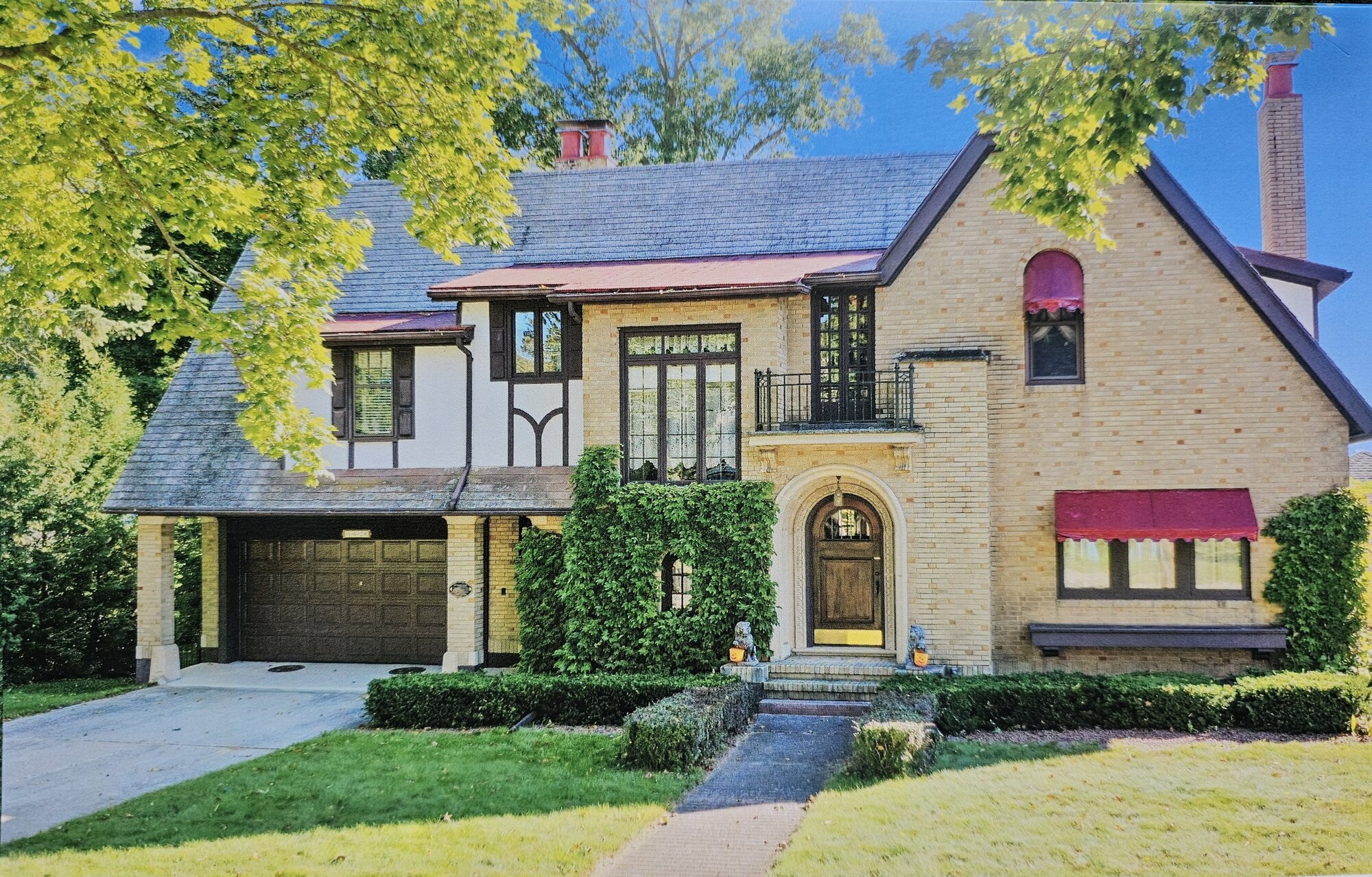
The Thomas Klemish house (1020 Milwaukee St.), built in 1931, is a simple Tudor Revival design. The style is seen primarily in the building's overall form and massing and in the window and entry details. While this house is not very elaborate, it is well-preserved and well-built.
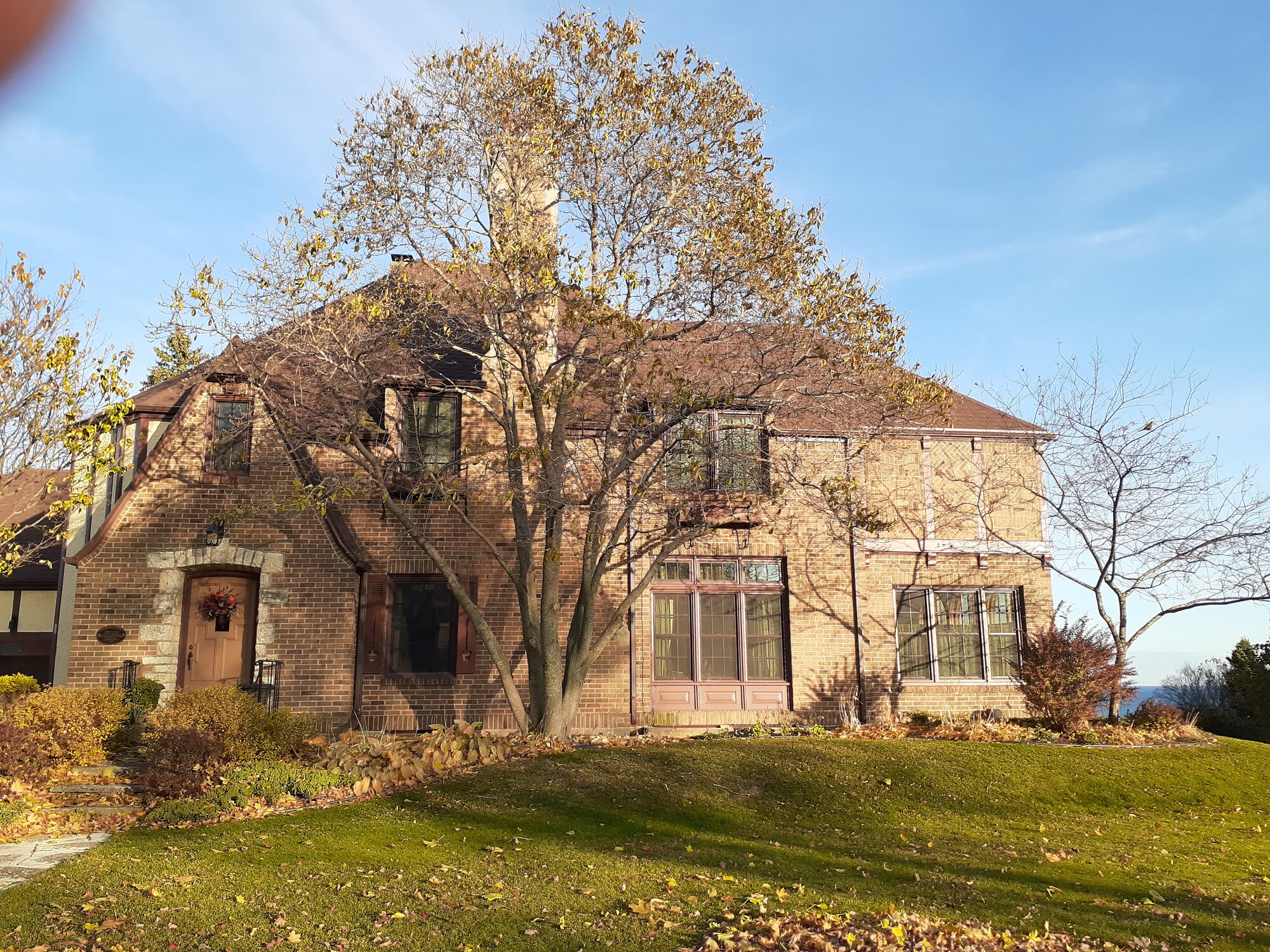
The Leo and Vera Bruemmer house (1122 Milwaukee St.), built in 1928-29, is a large and fine example of the Tudor Revival style. The use of brick, stucco, and faux half-timbering, large windows, and the steeply-pitched hip roof give this house an elaborate appearance than the Klemish house. Its overall size and high level of preservation makes this house stand out in the district.
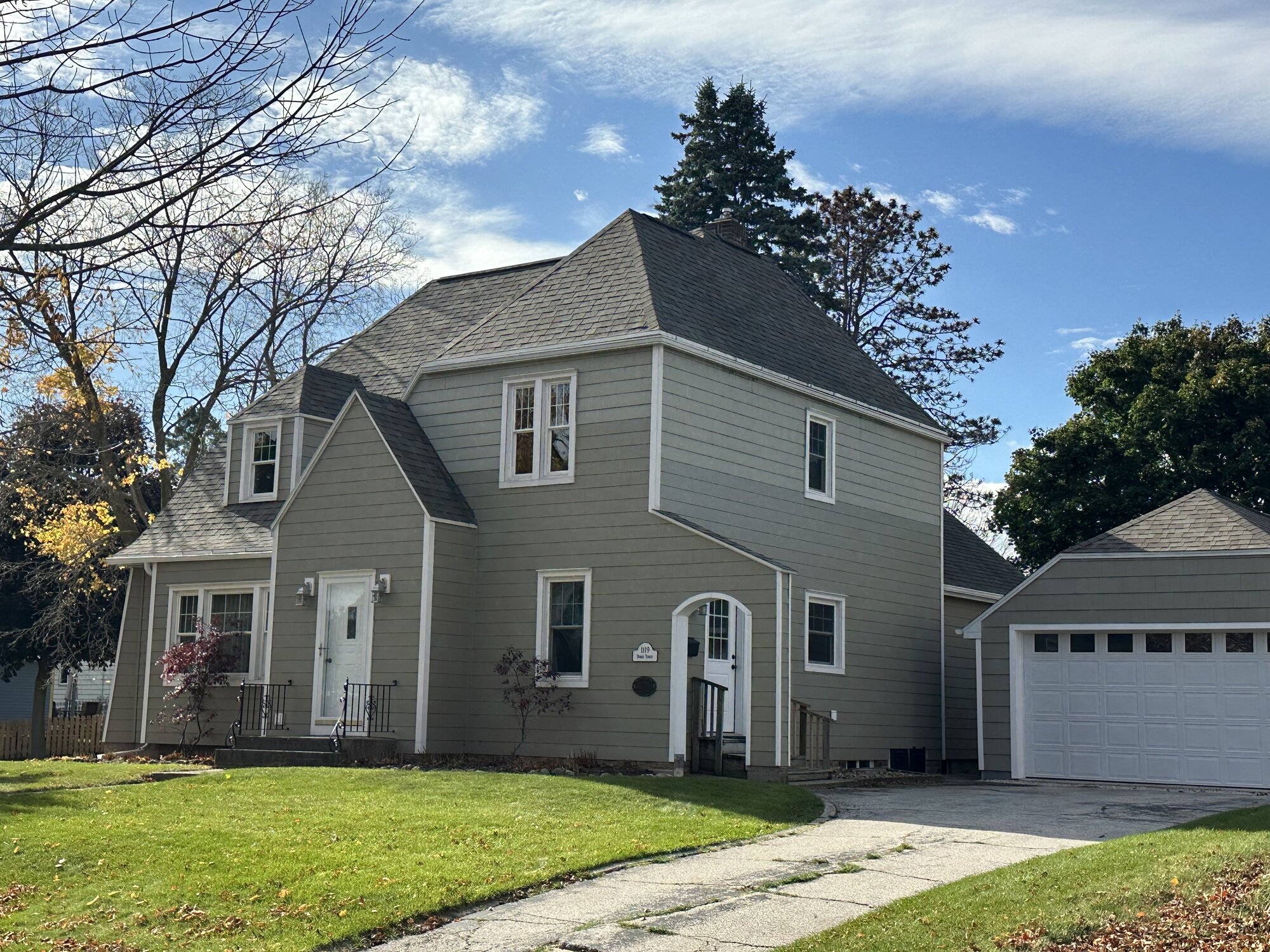
The Rudolph Pilgrim house (1119 Dodge St.), built in 1931, is a variation of the Tudor Revival style known as the Cotswold Cottage. The shingled siding and general form and massing of the house suggests an English cottage. The arcaded wing wall suggests a gateway to an English garden. The unusual design of this house makes it very significant for architecture in this district.

The old Kewaunee Public School (Marquette Middle School) is a simple Classical Revival building, both in its original form, and in the additions that have been made to the original building. The red brick multi-storybuilding, with its simple classical details that are executed in stone, gives this building the formal, institutional appearance typical of early twentieth century educational buildings. The original portion of the school is very well-proportioned and the building's only integrity loss are the window enclosures, a detail that is reversible. The Classical Revival style was frequently used in the early twentieth century for large institutional buildings and in this school the style is used to make a simple building appear both attractive and formal.
The Marquette Historic District is a neighborhood of fine homes that are good examples of popular nineteenth and early twentieth century architectural styles. That Kewaunee, a small community, has such an outstanding historic district, with many high-style buildings, is unusual and significant. The houses are stylish and well-built and show the care that the original owners and builders took in constructing them. Subsequent owners of these homes have continued this level of care in maintaining and/or restoring them. The result is a neighborhood that is a showplace for both the citizens of Kewaunee, but also for others who are fortunate to visit this historic community.